
In this guide
Fast answer
The short answer
Stormwater drains can back up during heavy rain when leaves, silt or rubbish restrict pits and grates, when a buried line is blocked or damaged, or when rainfall exceeds the system's capacity. If water keeps pooling after safe surface clearing, CCTV can help identify the next step where the line is accessible.
Why Sydney stormwater drains overflow after heavy rain
Even a functioning stormwater network has a design capacity, and intense rain can exceed it. A partial restriction can make the problem worse: leaf litter and silt may collect at pits, roots can enter damaged joints and crushed or displaced sections can reduce flow. The discharge point also matters because a private line may connect to a kerb, council system or another approved outlet.
Record which collection point fills, how quickly it rises and whether it clears after rain; those observations help separate a local blockage from a capacity or public-system issue.
Start at the pits, grates and downpipes
Check only what can be reached safely at ground level. Remove loose leaves, mud and rubbish from accessible grates and pit inlets, and note where the water pools: near a grate, driveway, downpipe or low part of the yard. Do not enter pits, climb roofs or work near fast-moving water or electricity.
If clean surface inlets still hold water, the restriction may be further along the private line or the system may be overloaded, so the buried route and discharge point need investigation.
How we find, prove and fix the real cause
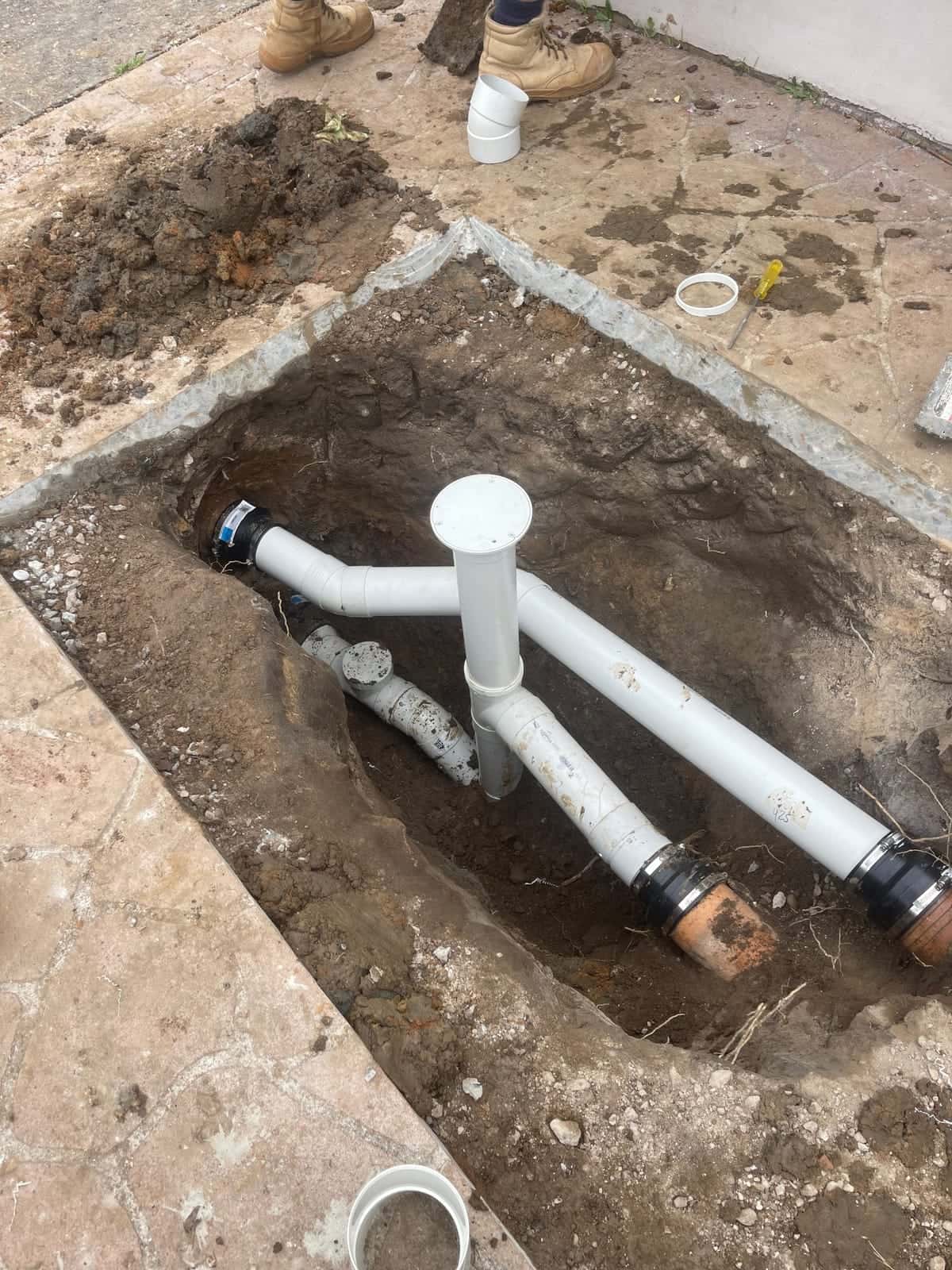
Where access permits, CCTV can show silt, root entry, a crushed section or a line that is holding water instead of relying on a surface guess. The inspection work depends on access, camera travel and the details needed. silt, leaves and root growth may be cleared with hydro jetting, while broader stormwater work depends on pits, line length, downstream conditions and the severity of the restriction.
If footage shows damaged pipe, the repair option is assessed from the defect and host-pipe condition rather than promising that clearing alone will prevent another flood.
When to call straight away versus wait
Call straight away if water is entering a building, moving towards electrical equipment or rising quickly enough to create a safety risk. Blocked Drains Sydney provides 24-hour phone contact across Sydney; call the NSW SES on 132 500 for flood emergency assistance. If water drains slowly but remains clear of buildings and electrical areas, record the pits with the problem and arrange a dry-weather inspection.
Repeat flooding in one place warrants investigation, but it does not by itself prove a blocked or damaged pipe.
Talk to a Sydney drain specialist
If a drain is blocked now, call Scott and describe what is backing up, where the property is and whether water is still rising. For a non-urgent problem, send the details for a call back.
Request drain helpCommon questions
Can stormwater drains be jetted?
Many accessible private stormwater lines may be appropriate for jetting after the pipe, access and downstream discharge are assessed. The confirmed approach and price depend on the line length, obstruction, pipe condition and work needed to move the material safely.
Why does my stormwater drain only flood in heavy rain?
A partial restriction may pass small flows but surcharge during intense rain, and a public or private system can also be overwhelmed when rainfall exceeds its capacity. Record where the water rises and whether clean pits drain after rain so the correct line can be investigated.
Do I need a camera inspection or just a clean?
If clearing the pits restores drainage and the system continues to perform, a clean may be enough for the observed issue. If water keeps banking up after the pits are clear, CCTV may be justified to record whether silt, roots or damaged pipe are present so the next step matches what the inspection shows.