Fixture-first clearing
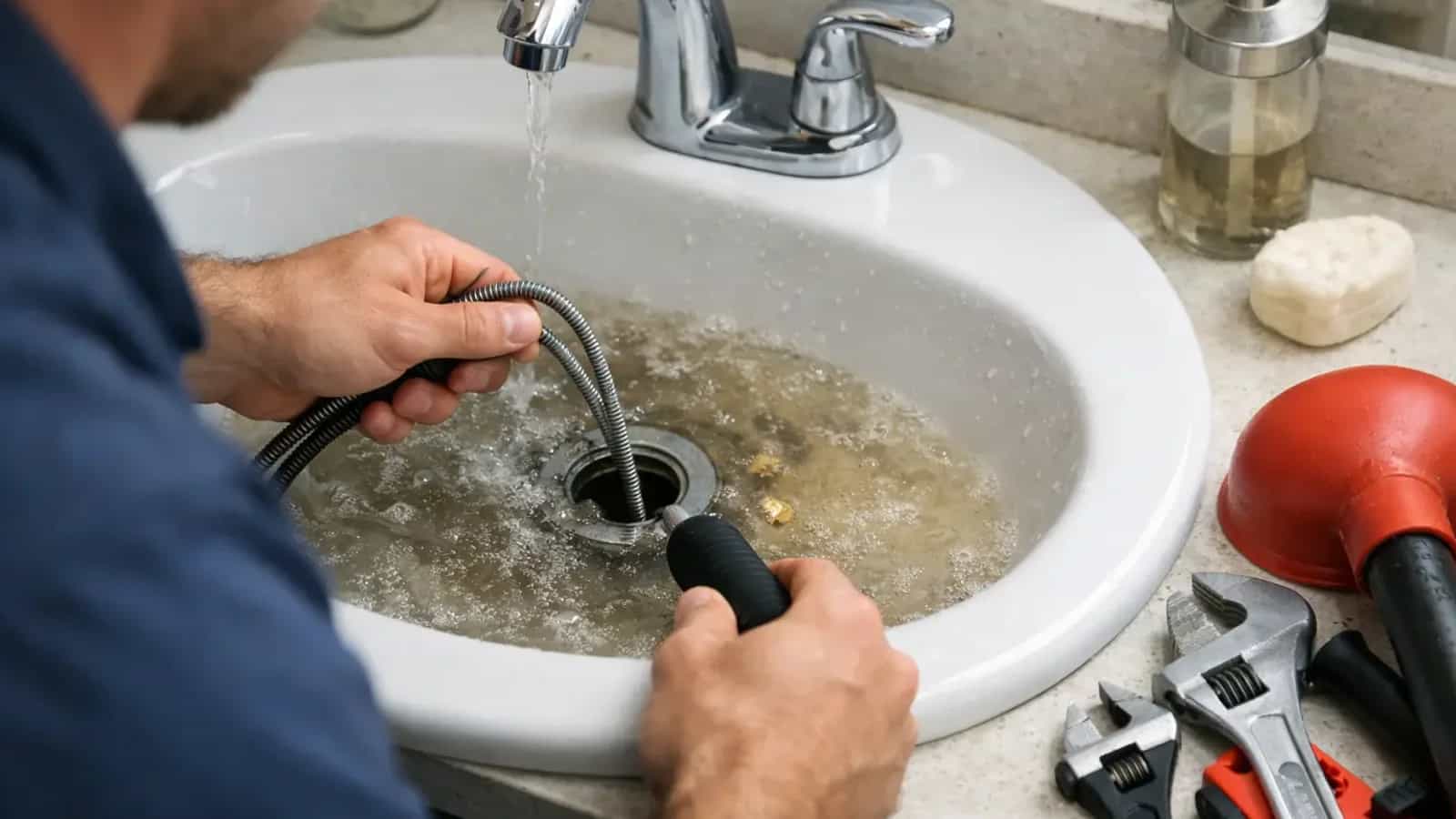
A blocked sink is often caused by grease, food scraps, hair or soap in the trap or nearby waste pipe.
- 01StopStop using the sink if water is escaping from the cabinet or floor.
- 02CheckNote whether nearby sinks, floor wastes or appliances also drain slowly.
- 03Send detailsSend the sink location, symptoms and any products already used.
Fast answer
Start at the trap and waste
One slow sink often points to the trap or waste branch. If connected fixtures react or the blockage returns, investigate further along the line before treating it as an isolated sink problem.
Signs the problem extends past the sink
- 01Water drains slowly or does not drain
- 02The sink gurgles after use
- 03Water returns through another connected outlet
- 04Odour or leakage appears around the trap or waste
Clearing the sink
Check the trap and connected line
A single slow sink often starts at the trap or waste branch. If connected fixtures react, investigate further along the line before choosing the cleaning method.
Where the blockage may be
- 01
- Trap and waste clearing
- For accessible local build-up and obstruction.
- 02
- Mechanical cleaning
- For a suitable branch line beyond the trap.
- 03
- Jetting or CCTV
- For larger or recurring connected-line restrictions where access suits.
What happens
Check the fixture, clear the blockage and test the flow
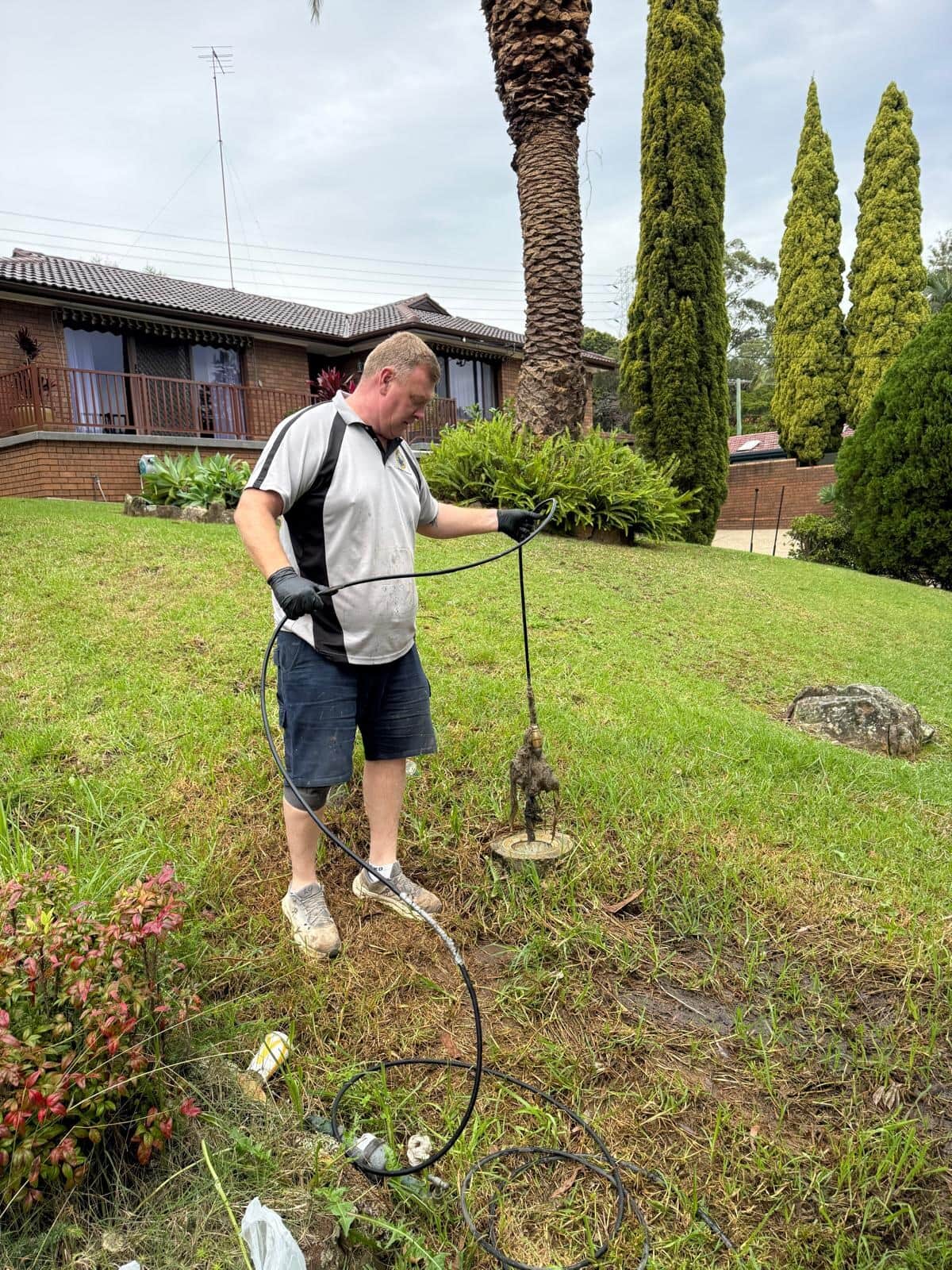
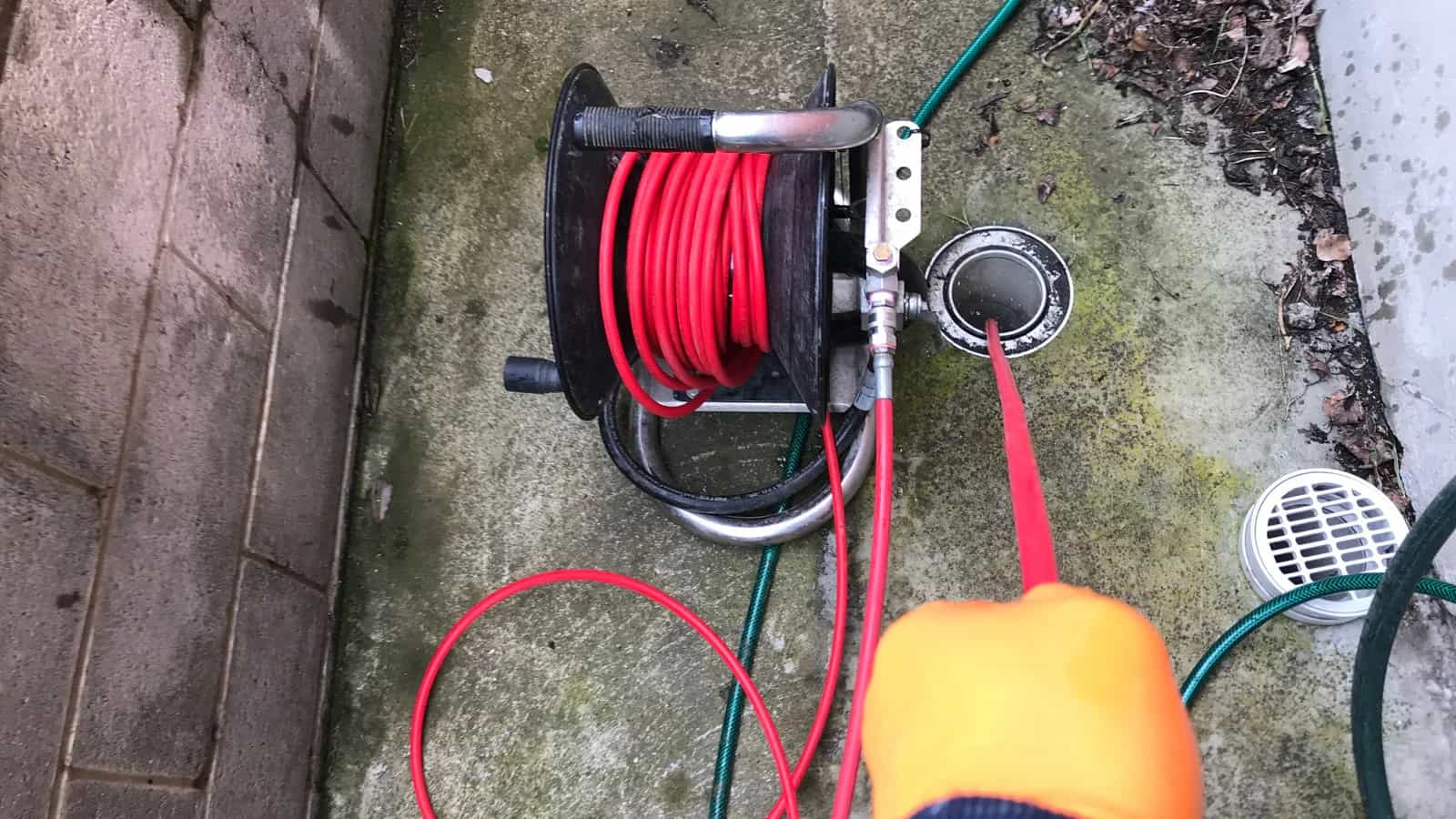
The trap and waste line are cleared by augering or jetting to suit the build-up, then flow tested so the sink empties freely again.
- 01
Check
Check the blocked sink, trap and any shared waste line.
- 02
Clear
Clear the trap or line with augering or jetting.
- 03
Flush
Flush the loosened grease and debris through.
- 04
Test
Test the sink and advise on preventing repeat blockages.
Before you book
Blocked Sinks questions
Straight answers about when this service helps, what is involved and what happens next.
View all drain questionsWhy does my kitchen sink keep blocking?
Fats, oils and food scraps can cool and build up in a kitchen waste line. Clearing accessible build-up and keeping these materials out of the sink can reduce avoidable recurrence.
My double sink backs up into the other side — why?
Both bowls share one waste line, so a blockage past the trap pushes water up into the other bowl. The shared line needs clearing, not just the trap.
How do I know whether the blockage is in the trap or further along?
A local trap problem may affect only one fixture. If another connected sink, floor waste or appliance reacts, the restriction may be further along the shared waste line.
Can I use chemical drain cleaner in a blocked sink?
Do not mix cleaners or keep adding product when water is not draining. Tell Scott what has already been used before the trap or line is opened.
What clearing method is used for a blocked sink?
It depends on whether the blockage is in the trap, branch waste or a larger connected line. Safe access and the likely build-up are checked before mechanical cleaning or jetting is selected.
Helpful reading
Drain guides worth a look
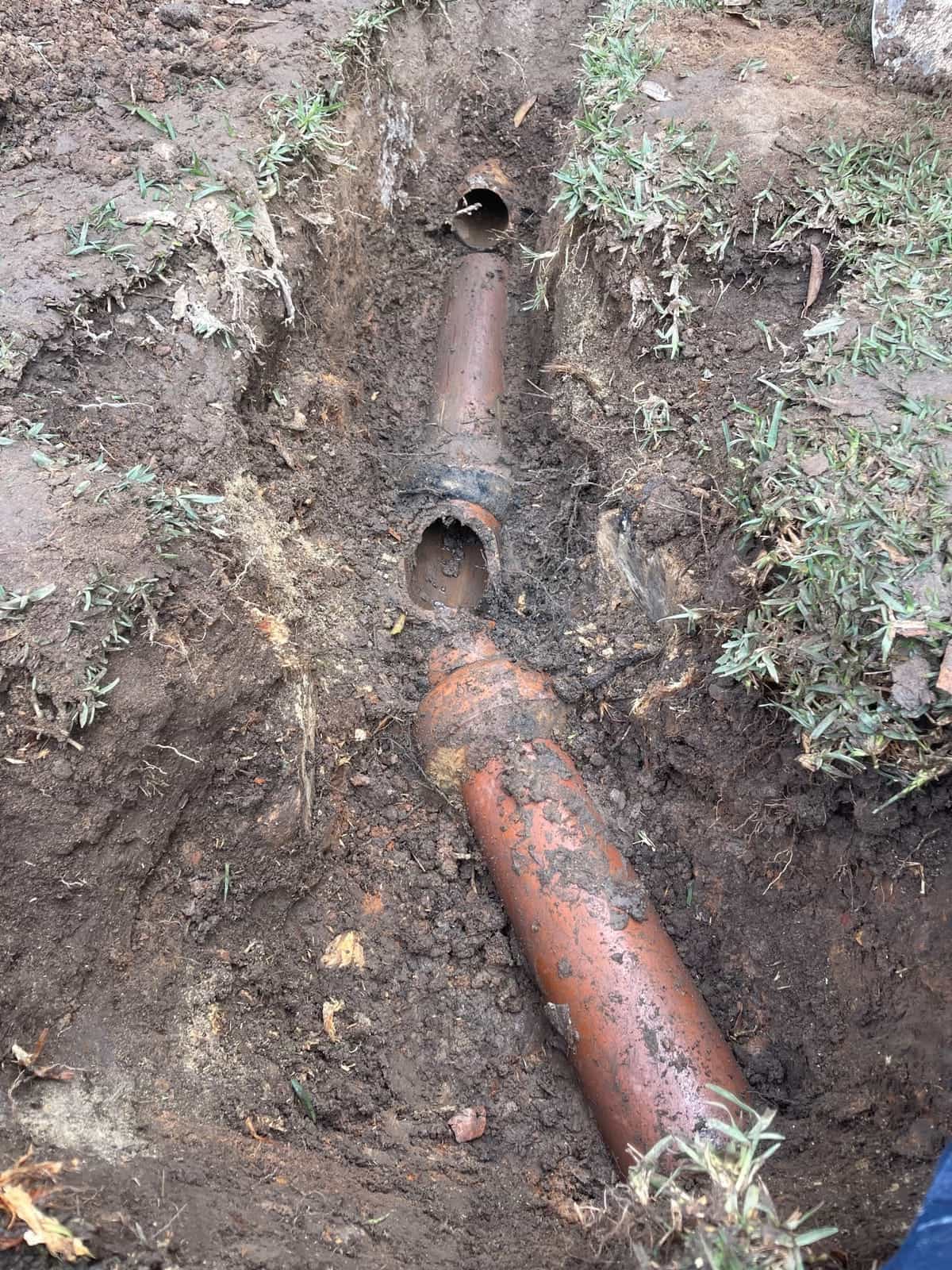 5 June 2026 · 3 min readWhy Drains Keep Blocking After They Are ClearedIf a drain keeps blocking after it was cleared, the line may need investigation for roots, build-up, poor fall, damage or another unresolved cause.Read guide
 5 June 2026 · 3 min readBlocked Drain Cost Sydney: Price GuideThe access, blockage, pipe condition and what the job involves can all change a blocked drain quote in Sydney.Read guide
Sydney service areas
Blocked drain help across Sydney
Choose your part of Sydney, or call with your suburb and tell Scott what the drain is doing.
All locationsBlocked drain help
Get help with the blockage
Call if the drain is overflowing or backing up, or send your suburb, symptoms and access details.
Call 0472 753 487Add photos if they help show the drain, overflow or access point.
Request help
Send the drain details
Send your suburb, which drains are backing up and any useful access details. Scott will come back to you with the next step.