In this guide
Fast answer
The short answer
Hydro jetting fires high-pressure water through the line to scour grease, sludge, silt and fine roots off the pipe wall, flushing the debris away. An electric eel feeds a rotating steel cable down the drain to mechanically cut or punch through a hard obstruction or thick root mass. Jetting cleans the whole pipe; an eel clears a specific blockage point. The smart choice depends on the cause, pipe condition and access — which is why we find with CCTV before committing to either.
How each approach actually works
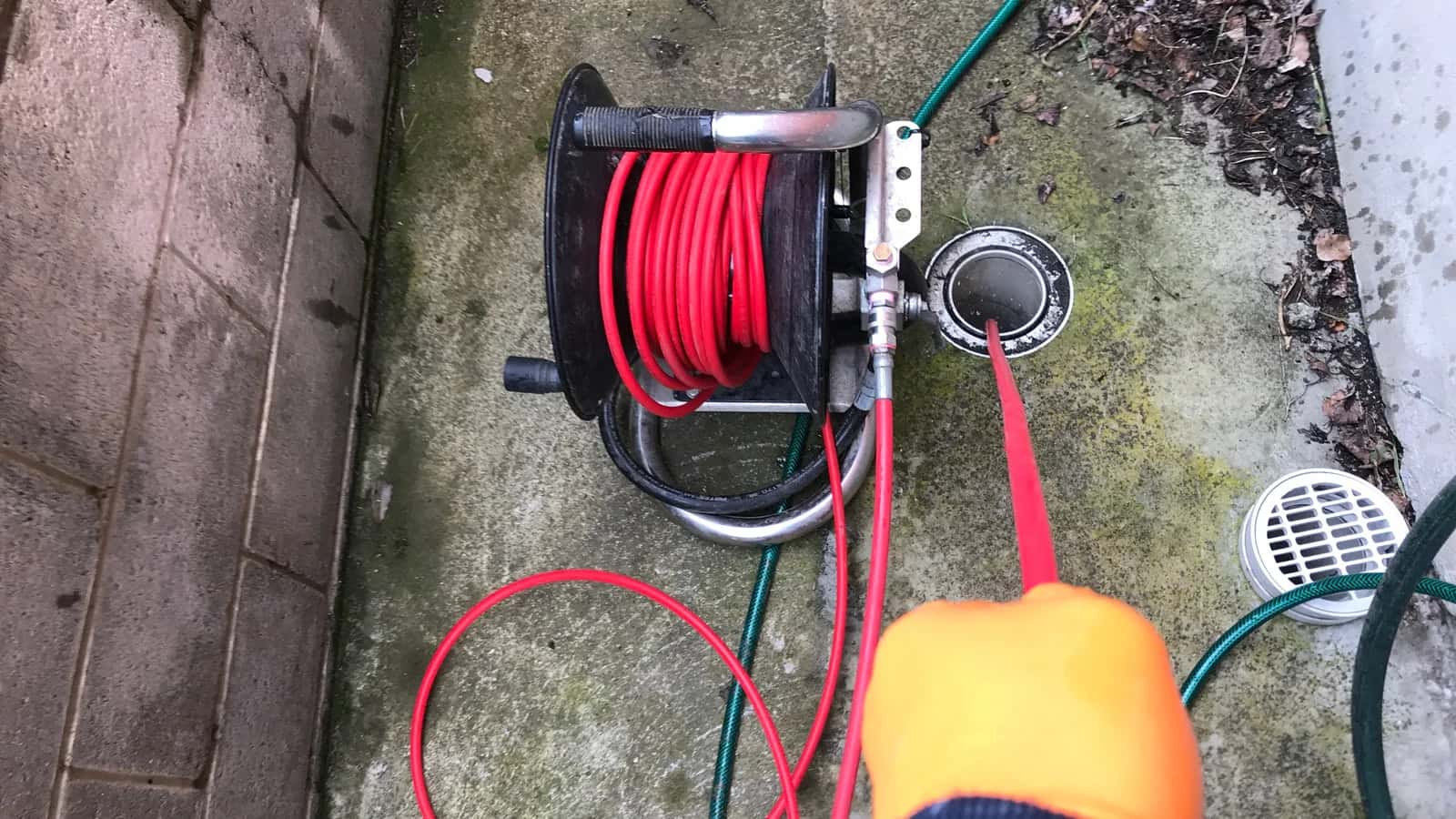
An electric eel (drain machine) feeds a flexible steel cable down the line with a cutting head spinning on the end. It works mechanically — it bores through a root ball, breaks up a compacted blockage or hooks out a rag, opening a channel so flow returns. It is fast, portable and good in tight access. Hydro jetting runs water down a hose at high pressure through a specialised nozzle.
Rear-facing jets scour the full circumference of the pipe wall and drag the hose forward, while the flow flushes loosened grease, sludge, sand and debris downstream. Where an eel makes a hole through a blockage, jetting cleans the pipe back closer to its original bore. They solve different problems, which is why the better tradesperson chooses based on the cause, not habit.
When jetting is the right call
Hydro jetting earns its keep when the pipe is coated or part-full rather than plugged at one point. Grease and fat build-up from kitchen lines, soap and detergent scale, silt and sand in stormwater, and fine root growth may respond because jetting can remove material from the accessible pipe wall instead of only opening a narrow path.
It is also worth assessing when a drain re-blocks after a quick clear and material may remain on the pipe wall. Jetting suits some longer runs and fuller line cleans, and it pairs naturally with CCTV because a cleaned, passable pipe is easier to assess. The job depends on access, line length, material to be removed, pipe condition and whether inspection is required.
Pressure and nozzle choice must suit the pipe rather than being applied indiscriminately.
When an electric eel is the better tool
A mechanical eel may be the better first move for a hard, isolated obstruction — a concentrated root mass at one joint, compacted wipes or a foreign object lodged in the line. It works without the water volume or access a jetter requires, so it can suit internal stacks, tight under-house runs and situations where introducing more water is unsuitable.
It can also be considered where the pipe condition makes high-pressure cleaning unsuitable, or where flow must first be restored before a fuller assessment. The job depends on the access, obstruction and equipment required. The honest limit is that an eel can open a path through a blockage without cleaning the whole pipe wall, so grease or a blockage that keeps returning may need another approach or further inspection.
Why we find before we clear
the approach matters less than the cause. Clearing without understanding why the line blocked can leave roots entering through a failed joint, a low section retaining debris or a partial collapse unresolved. Where the history or proposed repair justifies it, CCTV can record the accessible pipe and location of the problem instead of relying on a surface assumption.
The footage may support clearing alone or show damage that needs a separate repair assessment. Sewer and stormwater scopes depend on their access, obstruction and downstream conditions; relining is quoted only after the host pipe and measured repair section have been assessed.
Talk to a Sydney drain specialist
If a drain is blocked now, call Scott and describe what is backing up, where the property is and whether water is still rising. For a non-urgent problem, send the details for a call back.
Request drain helpCommon questions
Which approach lasts longer, hydro jetting or an electric eel?
It depends on the cause, pipe and access. Jetting can remove grease and build-up from more of the accessible pipe wall, while an eel opens or cuts through a local obstruction. If roots are entering through a failed joint, clearing either way does not repair that entry point; CCTV can support a separate repair decision.
Will hydro jetting damage old pipes?
Jetting should be matched to the pipe, access and obstruction. A line assessed as fragile, collapsed or otherwise unsuitable should not be pressure-cleaned blindly; inspection and a different clearing or repair approach may be needed.
How do I know which approach my drain needs?
You usually cannot tell from the surface. The blockage type, pipe material, access and repeat history all change the answer. CCTV, when the line is passable, can confirm the condition and help select the right clearing equipment.