In this guide
Fast answer
The short answer
You can reduce avoidable blockages by keeping fats, oils and food scraps out of sinks, following Sydney Water's flushability guidance, and safely clearing loose leaves from accessible gutters, grates and stormwater inlets. A repeat blockage needs investigation because household maintenance cannot correct roots, damaged pipework or a poor fall.
Keep fats, oils, and scraps out of the kitchen sink
Fats, oils and grease cool and harden in wastewater pipes, which is why Sydney Water advises keeping them out of sinks. Collect cooled cooking oil in a sealed container, wipe greasy cookware before washing and use a sink strainer for food scraps. A slow or odorous kitchen waste can have several causes, so do not assume grease is the only issue or keep adding chemicals when the water is rising.
Only flush the three Ps, and watch what goes down the toilet
Sydney Water's simple rule is to flush pee, poo and toilet paper. Wet wipes and other products should go in the bin unless the packaging displays the recognised flushable icon and complies with AS/NZS 5328:2022. Paper towel, cotton buds, sanitary products and nappies do not belong in the toilet. Use screens to catch hair at basins and showers, and do not mix chemical cleaners.
If several fixtures gurgle or back up together, stop using the connected water and have the downstream line assessed.
Manage tree roots, gutters, and stormwater before they cause trouble
Tree roots and stormwater debris are 2 outdoor risks worth managing. Sydney Water advises checking the wastewater pipe route before planting and notes that roots can enter small cracks. For stormwater, safely remove loose leaves from accessible gutters, grates and pit inlets before heavy rain, without entering pits or climbing where fall protection is required.
Cleaning surface inlets reduces avoidable restriction but cannot correct a crushed pipe or a system that is over capacity.
Build in light maintenance, and use CCTV when a drain keeps blocking
Regularly empty strainers and hair screens, watch for a change in normal drainage and clear accessible stormwater inlets before forecast heavy rain. Do not pour boiling water or mix chemicals in a blocked line. If the same drain blocks repeatedly despite sensible use, roots, pipe damage, a low section or persistent build-up may be involved.
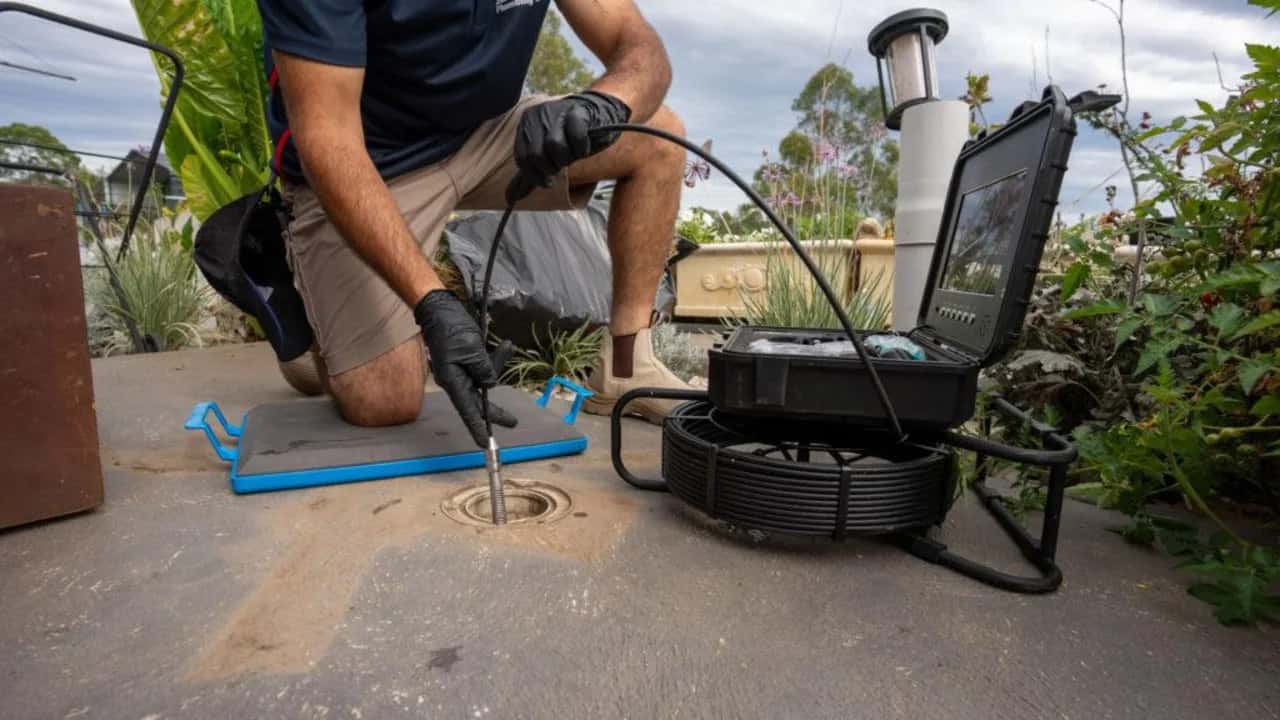
CCTV, where the line is passable, can record the cause and support a clearing or repair decision without promising that any approach prevents every future blockage.
Talk to a Sydney drain specialist
If a drain is blocked now, call Scott and describe what is backing up, where the property is and whether water is still rising. For a non-urgent problem, send the details for a call back.
Request drain helpCommon questions
Are flushable wipes actually safe to flush?
Sydney Water says non-flushable wipes should go in the bin and advises checking for the recognised flushable icon and AS/NZS 5328:2022 compliance before flushing a product. Paper towel, cotton buds, sanitary products and nappies should always be binned.
Will boiling water or chemical cleaners keep my drains clear?
Do not pour boiling water into pipework or mix chemical cleaners. Follow the product and pipe manufacturer's instructions, and stop using the fixture if water is rising. A repeat blockage should be assessed rather than treated with repeated chemical products.
How often should I have my drains checked?
There is no useful one-size-fits-all inspection interval. Keep strainers and accessible surface inlets clear, and arrange an assessment when drainage changes or the same line blocks again. A planned maintenance interval should be based on the property's actual service history.